

ASKUL Accelerates AI Transformation with AI-Driven
Development Training Rooted in Context Engineering
Date Published:09 MARCH 2026

- Skill gaps and hesitation around using AI made it unclear how to apply AI in practice
- Efforts were focused on toward short-term tool usage, with no clear long-term, fundamental approach to AI adoption
- No structure for sharing knowledge, and formal learning opportunities were limited, creating a gap between management and frontline teams.

- Standardized knowledge across the organization reducing hesitation and embedding everyday AI use into the company culture
- Adopted long-term concepts and implemented a systematic framework based on core technical principles
- Established information-sharing practices and practical methods, creating a foundation for autonomous learning
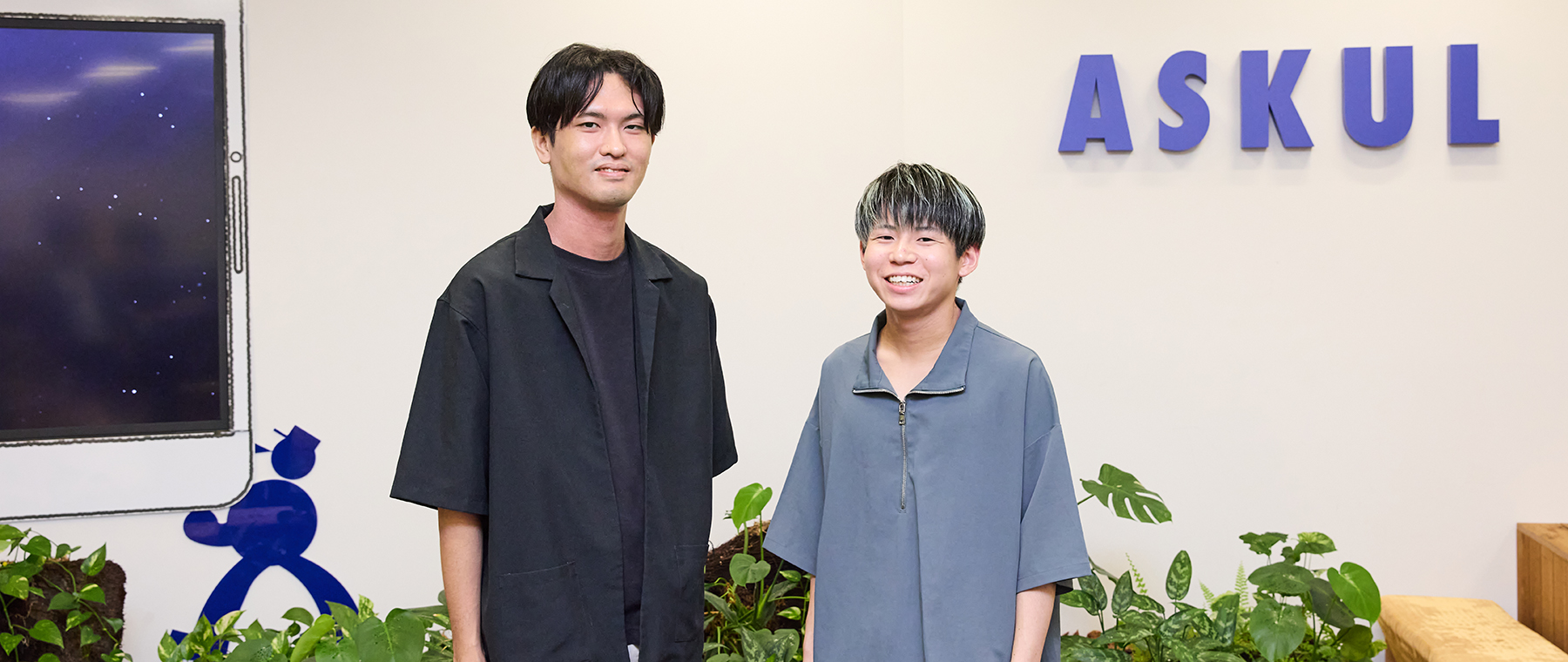
Guided by the slogan “No AI, No FUTURE,” ASKUL Corporation is driving AI adoption across its entire organization. In May 2025, the company established its AI Transformation Office to accelerate progress across two primary tracks: enhancing operational efficiency and embedding AI into its services. As part of this initiative, Classmethod delivered a specialized AI-driven development training program. We spoke with Mr. Ikoma of the AI Transformation Office and Mr. Naoki Takahashi of the Product & Marketing Department about the results of this training.
A Company-Wide AI Initiative from the Top
The AI Transformation Office comprises six core members and 21 cross-functional members selected from departments across the company for their strong interest and aptitude in AI.
“The CEO has made it clear through top-down communication that this is a company-wide priority,” Mr. Ikoma noted. “Currently, every employee has AI adoption integrated into their goals.” The fact that the CEO personally coined the “No AI, No FUTURE” slogan underscores the seriousness with which leadership views this transformation.
Within the engineering department, over 10 projects are currently underway, focusing on both operational efficiency and AI-integrated services. Tangible results are already emerging, such as a newly launched product review summarization feature.
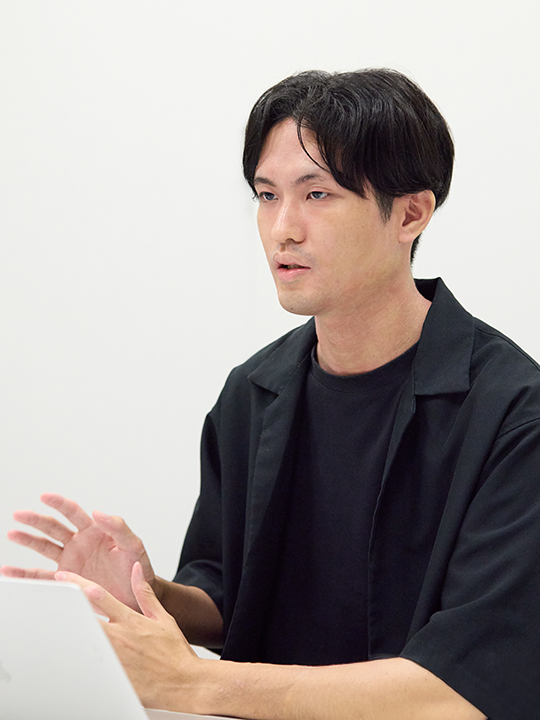
Additionally, the company has hosted a company-wide AI contest, established an AI agent development study group, and initiated SaaS tool training for non-engineering personnel. The company is also building an internal platform using LiteLLM to provide all engineers with access to AI tools.
Seeking Practical Know-How from Active Engineers
“We first met Classmethod at an AI conference in April 2025. One of our AI Transformation Office members attended their session and was immediately drawn to what they had shared in their presentation.”
“Classmethod is an organization with practicing engineers actively doing development work,” Mr. Ikoma explained. “Knowing the presenter was a highly skilled engineer made the prospect of absorbing practical insights from someone in the field extremely appealing.”
“While other firms offer corporate training as their primary business, their instructors are not always active practitioners,” he added. “That didn’t align with our needs. We wanted authentic techniques currently being applied in real-world development projects.”
The deciding factor was Classmethod’s ability to draw on the collective experience of hundreds, if not thousands, of engineers utilizing AI-driven development in their daily operations.
Flexible and Customizable Training Programs
In 2025, Classmethod launched its AI-driven development support service to help clients modernize software development through generative AI. This service includes training, Proof of Concept (PoC) engagements, and hands-on support, all led by engineers at the forefront of AI technology.
Two to three preliminary meetings were held before the training. While ASKUL initially sought a program focused on prompt engineering to have AI handle 30 percent of maintenance tickets, Classmethod recommended a shift toward “context engineering.”
At the time, the idea that optimizing the context provided to an AI is more impactful than the prompt itself was just beginning to gain industry traction. The Classmethod engineer brought firsthand experience in applying these principles to the curriculum. The final proposal focused on enduring concepts that would remain relevant two to three years into the future rather than focusing only on immediately useful tips, providing engineers with a fundamental understanding of AI utilization.
The resulting program spanned a full day, lasting approximately six to seven hours. It offered a balanced mix of practical tool instruction and high-level conceptual thinking.
Participants gained hands-on experience with tools such as GitHub Copilot while developing a deeper understanding of context engineering as a universal framework. The curriculum featured lectures, practical exercises, and workshop sessions to ensure team alignment. Classmethod’s AI driven development support can also customize workshop content to each customer’s environment, including tools such as Cursor and Claude Code.
Understanding the Core Principles and Practices of AI-Driven Development
The sessions opened with an overview of the current state of AI-driven development, followed by a strategic look at how productivity gains translate into a competitive advantage. Looking back, Mr. Takahashi said, “Discussing things from a leadership viewpoint was a first for me. It was a refreshing and really engaging shift in perspective.”
The core curriculum addressed context engineering through several key concepts:
- Separating task decomposition from execution
- Breaking instructions into parts
- Implementing effective context size management
- Utilizing “ask mode” to have the AI formulate a plan prior to implementation

“The idea of breaking tasks down and separating the planning phase from execution is something I am now conscious of constantly in my daily development work,” said Mr. Ikoma.
A critical component of the curriculum involved understanding the fundamental nature of Large Language Models (LLMs): specifically, that they generate output based on predictions. This understanding helps engineers avoid over-reliance on AI and use the tools effectively. The training also addressed AI-driven development challenges, such as “comprehension debt” (the risk of adopting AI-generated code without fully understanding its logic) and the “surface-level review problem” (the tendency to simply skim AI output on a surface-level, such as confirming it has no obvious errors).
Standardizing Knowledge and Putting It into Practice
Twelve AI-literate members participated from across the organization. Mr. Takahashi, one of the attendees, described the learning experience as substantial.
Many participants reported that their hesitation around using AI tools had been lessened, significantly lowering the psychological barrier to adoption. The training insights were immediately applied to daily workflows, resulting in:
- Created ASKUL-standard Github Copilot guidelines
- Changing ticket descriptions to provide sufficient detail for AI processing
- Application of context size management
“When we held the training, most industry discussions were centered on prompt engineering,” Mr. Takahashi noted. “Being introduced to context engineering at that stage proved to be incredibly valuable.”
Ongoing Learning and Future Plans
The support included a one-month Q&A period after the training.
“The follow-up support was exceptionally thorough,” Mr. Ikoma said. “We ended up sending an extensive list of questions, and the Classmethod team addressed every single one carefully. Our team members were really pleased.”
Mr. Takahashi added, “It was very helpful that both a sales representative and an active engineer joined the meetings. The ability to engage in direct, engineer-to-engineer dialogue was great.”
Through this training, both Mr. Takahashi, a tech lead in the development department, and members of the AI Transformation Office stayed current with the latest information and established a process for sharing it with their teams and the wider company. Three months later, the principles of context engineering remain relevant.
By prioritizing foundational thinking over simple tool operation, ASKUL continues to pursue enhanced productivity and competitive advantage under its “No AI, No FUTURE” mandate. Classmethod will continue to support ASKUL’s AI utilization going forward.