

Building a Snowflake-Powered Data Cloud Foundation
to Foster a Data-Driven Culture
Date Published:04 DECEMBER 2025

- Struggled to use data trapped in core and peripheral systems
- Relied on individual staff for data, hindering cross-department sharing
- Focused data use primarily on operational efficiency
- Faced a gap between vision and reality due to shortage of data talent

- Built a secure, open data environment by consolidating into Snowflake
- Enabled each department to adopt their own data strategies through visualization
- Spread a culture of “thinking with data” across departments
- Transformed previously dormant data into productive assets
- Fostered and grew data talent through the “Data Utilization Lab”
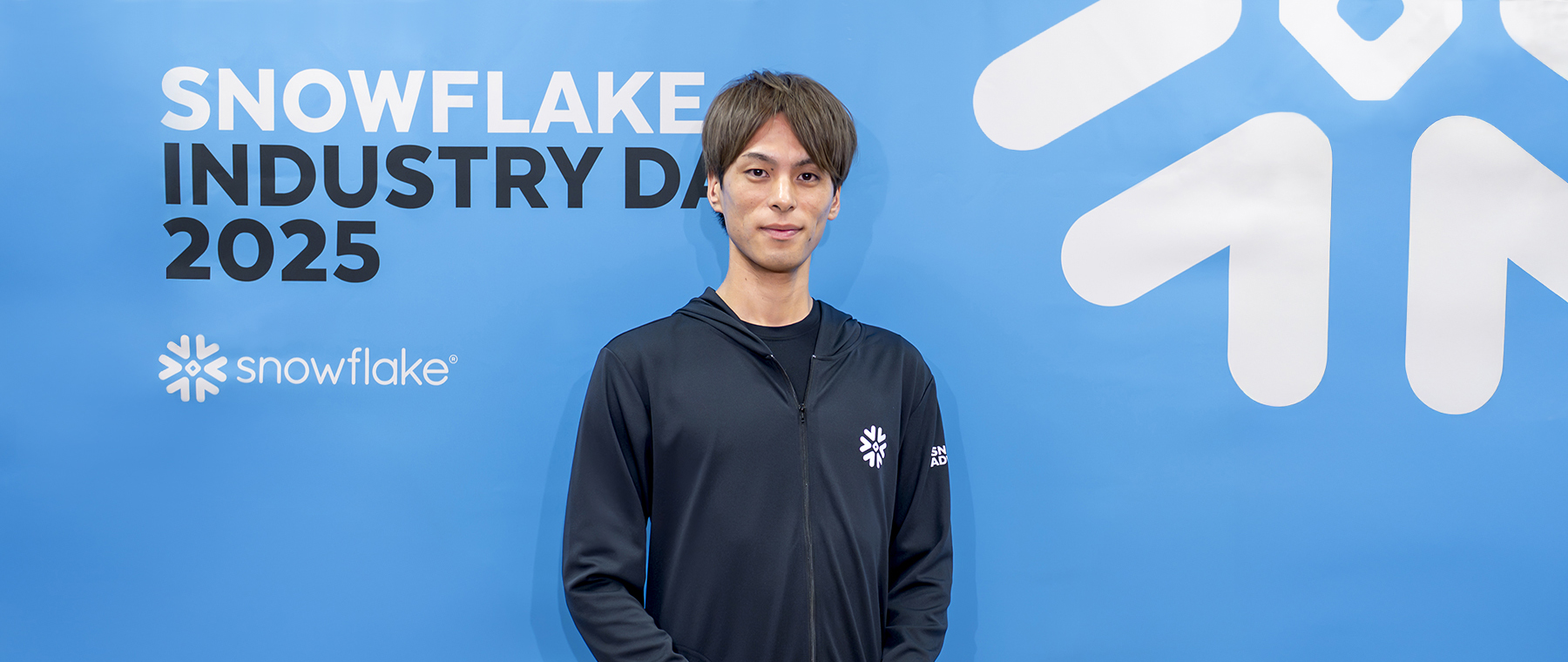
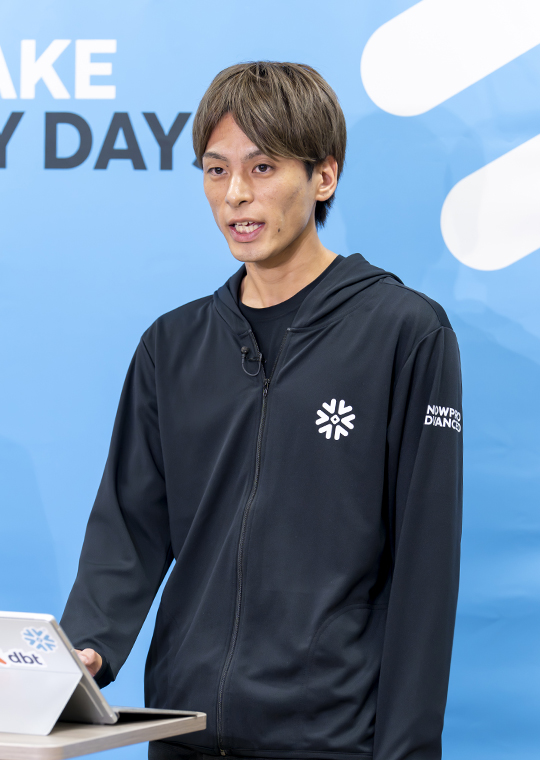
Aisin Takaoka Co., Ltd. is a large global supplier of cast-iron automotive components. Facing what the automotive industry calls a once-in-a-century transformation, the company chose to build a data cloud foundation as a core Digital Transformation (DX) effort. With Snowflake as the data platform and technical support from Classmethod, Aisin Takaoka created an environment where every department can work with data, and through a dedicated internal lab, a culture of data-driven decision-making is taking root. Mr. Keiji Sato, who launched the project from scratch, described the journey.
Moving Beyond Efficiency: Deciding on a Company-Wide Data Cloud Foundation
Headquartered in Toyota City, Aichi Prefecture, Aisin Takaoka manufactures engine and brake components from cast iron, aluminum, and stainless steel. The company expanded globally early, supporting automakers as they moved into overseas markets.
Aisin Takaoka had been pursuing DX to meet changing societal needs, driving operational efficiency through citizen development and tool adoption. However, a nagging question persisted: could efficiency alone ensure the company’s future? Department heads revisited their strategy from the ground up and organized their DX direction around three core themes: meeting evolving customer needs, transforming to a next-generation business model, and driving future-facing innovation.
A wide gap between those ambitions and reality quickly became apparent. The company distilled its common challenges into three areas:
- Integrating fragmented data to respond to customer needs in a timely manner
- Fundamentally changing how people work through AI and BI
- Leveraging the flexibility of the cloud to test new technologies and explore innovative approaches
Looking for a single initiative that could address all three, Aisin Takaoka chose to build a data cloud foundation.
“We made the decision because we needed to move beyond efficiency to the next stage,” Mr. Sato said, “to support data use across the entire company, and to make future transformation possible.”
Naming the Integrated Data Platform “HOKORA”
For the data cloud foundation, the company set two goals: consolidate data scattered across the organization into Snowflake so every department could use it, and embed a data-driven culture of strategy and decision-making throughout the company. The team named the Snowflake-centered integrated data platform “HOKORA” (祠, meaning “small shrine”).
HOKORA is more than a system name. It represents the concept of organically connecting an ecosystem of Snowflake for the data platform, dbt Cloud for data transformation, Amazon Web Services (AWS) for cloud services, and Microsoft Fabric/Power BI for visualization and analysis, so that anyone can access data under proper governance.
“The word HOKORA carries the image of a space in Japanese culture where precious things are kept,” Mr. Sato said. “We want to polish each piece of data, integrate it, and ultimately connect it to value creation through decisions and actions. That’s the spirit behind the name.”
Choosing Classmethod for Hands-on Support, One Step at a Time
The project spanned a wide scope, from building the Snowflake data foundation to setting up BI-driven visualization and analysis. Aisin Takaoka determined that hands-on support from a trusted partner would be the key to success. The company chose Classmethod based on three criteria: a co-creative approach, technical skill and flexibility, and long-term support.
“Many vendors proposed fully realized data platforms, but Classmethod suggested that we move forward step by step while validating what would actually be useful in practice. I knew then that this wouldn’t be a one-way street; it would be a project shaped by constant dialogue.”
The project started in October 2024 and progressed over the course of a year. For data consolidation, the team built functions to connect data scattered across the company into Snowflake, ingesting and preprocessing RDB records, files, and IoT data before loading them.
The Snowflake-based data platform consists of three layers: a raw data layer, an integration layer, and a data mart layer. Raw data is stored in the first layer, processed in the integration layer, and then published in the data mart layer for direct user access. This structure balances quality assurance with usability, delivering data tailored to each use case.
“We chose best practices and established architecture patterns as our first option for the Snowflake design,” Mr. Sato said, “aiming for low operational costs through simplicity and a structure a small team could maintain.”
The team used dbt Cloud for transforming data into analysis-ready formats, preparing and processing published data so users could access Snowflake directly or connect through BI tools. Development management was centralized in dbt Cloud, automating everything from data mart development to data cataloging and documentation generation.
On the infrastructure side, the team committed to Infrastructure as Code (IaC), codifying nearly all AWS resources with AWS CloudFormation and AWS SAM. The plan going forward is to codify Snowflake object definitions with Terraform as well, building toward a structure governed by common rules and security.
Launching the “Data Utilization Lab” to Foster and Grow Data Talent
Alongside the HOKORA build, Aisin Takaoka launched a cross-functional organization called the “Data Utilization Lab.” Its goal: spread a culture where using data is second nature, through repeated cycles of learning, practice, and refining HOKORA itself.
“Even with a solid foundation and structure in place, the project won’t succeed unless the users grow alongside it. We established a cross-departmental task force made up of selected members and technical advisors, with the aim of strengthening digital skills through practical output and helping participants grow to leaders of data initiatives within their own departments.”
Aisin Takaoka asked the Classmethod BI team to participate in the lab’s activities. The Classmethod team provided training for lab members, instruction on SQL and tool operations, and hands-on sessions for building dashboards. The lab then collected challenges and themes from each division, selected priorities based on importance and feasibility, and worked through them while sharing outcomes and lessons across the group. Currently, back-office functions like accounting are pulling internal data into Snowflake and producing monthly reports in Power BI.
“I want to emphasize that this is more than just a training program,” Mr. Sato explained. “It is a mechanism designed to spark a cultural shift toward data-driven operations. By producing actual outputs through trial and error, employees learn to organize and master their data. These results then feed back into HOKORA, continuously refining the foundation itself. This cycle ensures that learning and success spread throughout the entire organization.”
Spreading a Culture of “Data-Driven Thinking” Across the Organization
Approximately one year into the project, the data environment looks fundamentally different. Data was previously stored in Oracle, but the risk to system stability and data integrity meant it could not be easily accessed for analysis. With the move to Snowflake, the company now has a secure platform for making data openly available. Mr. Sato explained that it was a major step forward for the IT division to be able to provide an environment that is truly safe for sharing.
Another major change has been improved data visibility. Before, numbers and aggregation logic were siloed in Excel spreadsheets known only to specific individuals, which prevented cross-departmental sharing. Today, using the integrated data in HOKORA, departments such as accounting, procurement, and production have begun to treat data utilization as a pillar of their strategic direction and decision-making.
“A culture of data-driven thinking is beginning to take root across our organization,” Mr. Sato said. “The vast amounts of data stored within our core systems are being transformed into strategic assets through HOKORA. We’ve moved beyond just operational efficiency to a stage where we’re converting data into assets. This represents the most significant change I have witnessed over the past year.”
On Snowflake specifically, Mr. Sato said that his initial impression that Snowflake was easy to use has since been fully confirmed by his experience with its developer-friendly UI. Feature updates come quickly. “There’s a sense of keeping pace with global technology trends,” he said.
“The more you use it, the more you realize it’s not just a database but a platform that keeps up with the pace of technological progress.”
Looking Ahead: AI Powered by Data Consolidated in Snowflake
The company’s immediate plans include building a global data-sharing infrastructure and expanding its ingestion capabilities to include near-real-time IoT and equipment data. The company also plans to advance Snowflake IaC and operationalize dynamic data masking to ensure that only the minimum necessary information is disclosed. These initiatives will allow for broader data access while ensuring that only the minimum necessary information is disclosed to users.
Over the medium to longer term, Aisin Takaoka envisions a future where AI is fully powered by the data consolidated in Snowflake. By leveraging Snowflake Cortex AI agent capabilities, the company will provide natural-language access to data. Furthermore, the use of Snowflake Intelligence will streamline data exploration and model generation. Through the integration of Microsoft Fabric Copilot and Copilot Studio, users will be able to generate reports and visualizations simply by asking questions. This will create a future where every employee can make informed decisions by ‘conversing’ with data. Looking further ahead, the company plans to establish a Retrieval-Augmented Generation (RAG) framework to develop specialized AI agents grounded in internal proprietary data.

“Imagine a procurement officer asking, ‘Summarize this supplier’s transaction trends and CO2 emissions,’” Mr. Sato said. “Snowflake pulls the relevant data, Power BI visualizes it, and AI interprets and answers. That’s the future we’re working toward.”
Reflecting on the year of support from Classmethod, Mr. Sato offered his assessment:
“Building a data cloud foundation was an unprecedented challenge for us. That’s exactly why we didn’t just want technical support. We wanted a partner who would think through challenges with us and move forward alongside us.”
“From the start, we looked for three things. First, a co-creative approach: the ability to find a path through dialogue, even when there are no clear answers. Second, technical skill and flexibility: understanding new technologies like Snowflake and AWS and proposing the right solutions quickly. Third, long-term support: not just building something and walking away, but helping create something that takes root internally.
“And that’s exactly what we found. ‘Let’s take it one step at a time, getting a real feel for things as we go.’” True to those words, Classmethod walked alongside us, and HOKORA steadily took shape. Their hands-on support was the most important factor in our ability to build this data foundation.”
With HOKORA in place, Aisin Takaoka has stepped onto a new stage of data use. Classmethod continues to support the company’s growing data-driven culture through technical support for the Snowflake-centered data cloud foundation that made it possible.