

Leaving No One Behind: How Embedded Support Built a Marketing Foundation and a Stronger Team
Date Published:1 JULY 2026

- Workload concentrated on a few specific members, creating an operational bottleneck
- Numerous parallel projects running, making it difficult to organize a growing range of issues
- An urgent need to raise skill levels across the team

- Reduced the workload on overburdened members through hands-on support
- Improved progress velocity through help with issue triage and project management
- Team members developed project-management know-how and became able to move projects forward independently
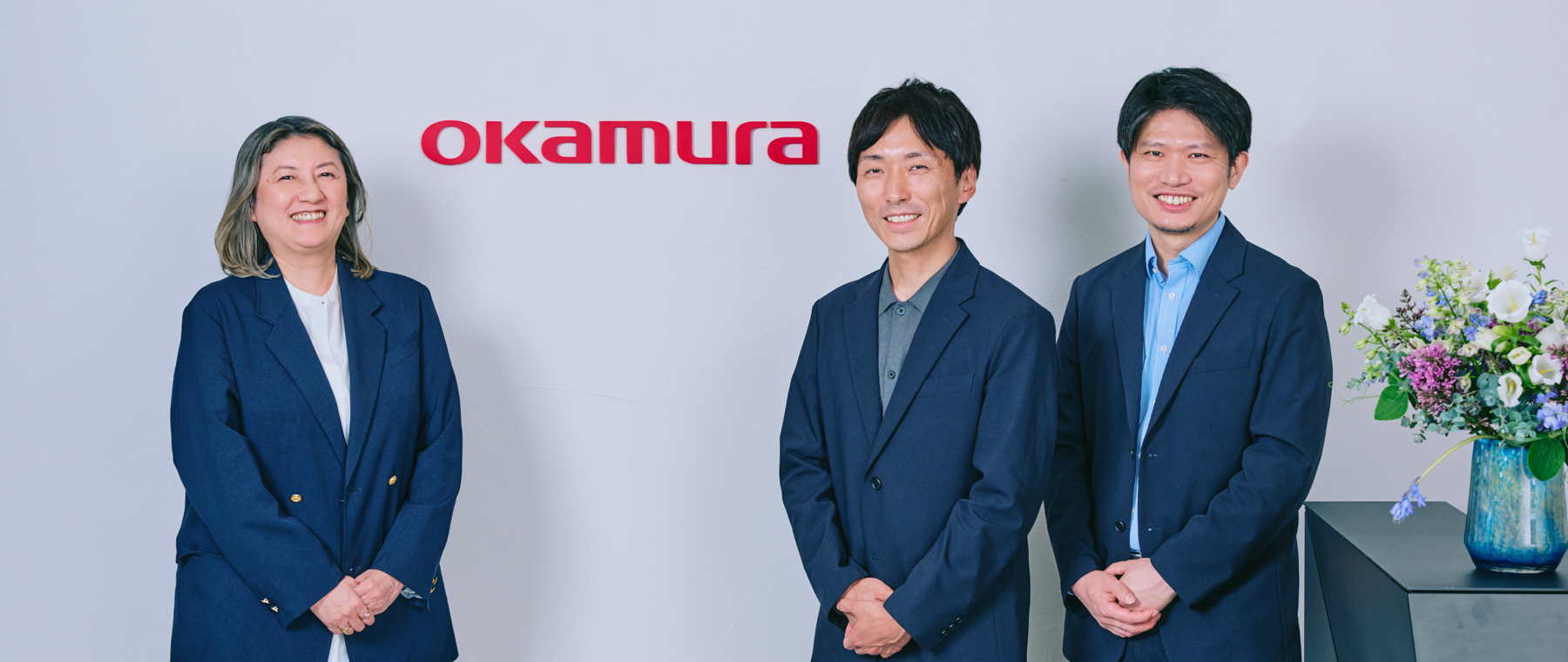
Guided by its purpose of helping create a society in which people can thrive, Okamura Corporation has developed a diverse range of environments for offices, retail spaces, and other commercial settings. Within the company’s office environment business, the Digital Communication Group builds digital systems and runs initiatives that support marketing. With numerous projects involving the development of system infrastructure running in parallel, the Digital Communication Group turned to Classmethod’s Business Transformation (BX) team for hands-on support. We spoke with Ms. Kana Sato, Head of the Marketing Communication Department, and Mr. Ayumu Nakajima, Manager of the Digital Communication Group, along with Mr. Koji Saito of the same group.
Building the Foundation for Marketing Initiatives
Since its founding in 1945, Okamura Corporation has provided solutions and products for a wide range of environments, including offices, education, culture, healthcare, research, and retail and commercial spaces. Within the office environment business, the Digital Communication Group is responsible for executing digital touchpoint initiatives and building the environments needed to support them.
“Digital plays a role not only in web advertising and social media, but also in offline initiatives such as trade shows and print advertising,” Mr. Nakajima said. “We work to enable customer communication across a wide range of touchpoints—from raising awareness of our solutions and products to accepting reservations for office and showroom tours and responding to inquiries about relocation and renovation.”
Until then, Okamura had made limited progress in developing a database for its marketing activities, and even the terminology used in those activities had not been standardized. While the company’s information systems department manages its core enterprise systems, individual divisions are responsible for developing unit-specific systems, such as those used for promotional activities. For the Digital Communication Group, securing the resources needed to build the marketing infrastructure required to fully pursue its digital initiatives had become a major challenge.
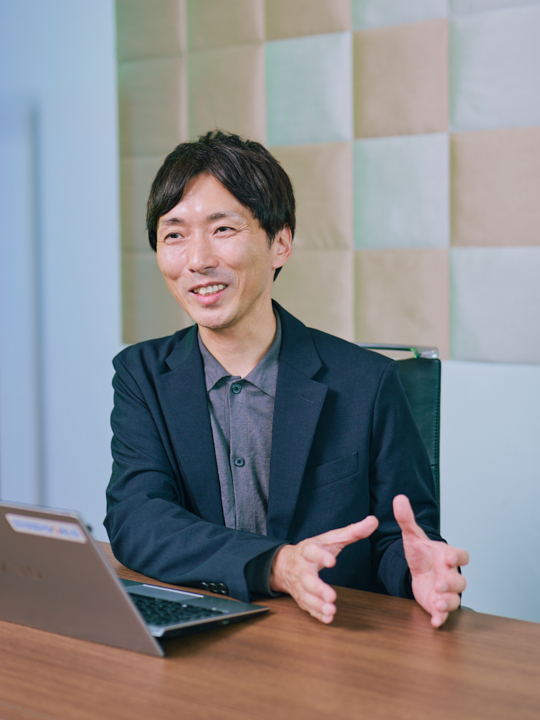
“Building a promotional database requires an understanding of both technology and marketing,” Mr. Nakajima explained. “Having previously worked in the information systems department, I found myself bridging the two. But no one else internally could fill that role, so we needed to train someone who could do the same. However, with so many immediate tasks competing for our attention, we could not find the time to secure those resources.”
Because answering these calls requires deep product knowledge, outsourcing the work was difficult. Four employees handle everything from operator duties to writing FAQs and building support tools. Employees who receive feedback from the field firsthand can write more accurate FAQs and design better support tools, and that system has been a strength of the current model.
Ms. Sato, his manager, describes the situation similarly.
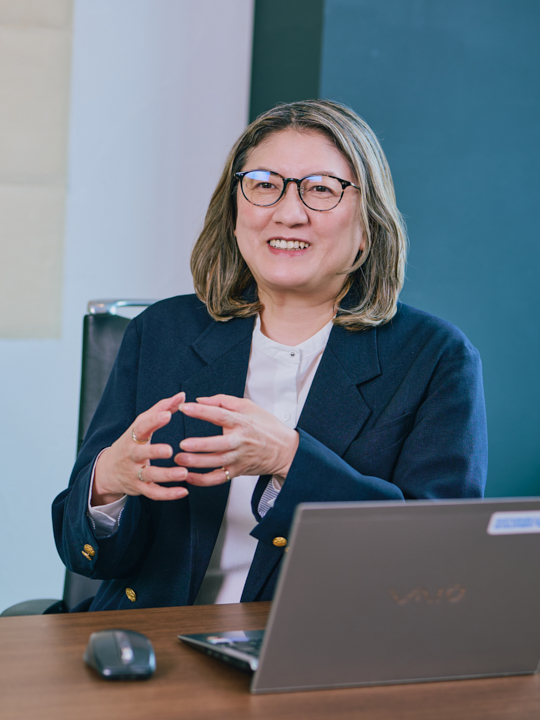
“Whenever Mr. Nakajima came back from a meeting, junior staff with questions would already be lined up waiting for him,” Ms. Sato said. “Beyond just securing resources, we needed outside support to help drive projects forward and organize a wide range of issues.”
Having decided to bring in outside support, Okamura chose Classmethod. Classmethod’s BX team provides embedded support spanning strategy development, system implementation, and operational execution.
In evaluating vendors, Mr. Nakajima says he was looking for a support structure where the same people could stay involved with the project long-term and be available for everyday consultation.
“If the person in charge changes partway through, you end up having to explain everything all over again,” Mr. Nakajima said. “We approached several companies, looking for one where the same people could stay with us long-term and would find it easy to understand our business, and in the end we asked Classmethod to handle our business consulting. The deciding factors were their commitment to avoiding vendor lock-in, their ability to provide neutral recommendations and support, and the willingness they demonstrated, in both their proposals and their interactions with us, to think through issues alongside us.”
Hands-On Support for Project Management
When the engagement began, the Digital Communication Group consisted of 10 members, including Mr. Nakajima, with more than 20 projects running in parallel. Classmethod began its hands-on support in June 2025, starting by interviewing each team member to understand their individual responsibilities.
While assessing the situation, Classmethod focused its hands-on support especially on the database-building project led by Mr. Saito as project manager.
“The project team had four people, including Mr. Nakajima and myself, and Mr. Nakajima was swamped with other work,” Mr. Saito said. “Six months after the project began, we still had not been able to begin development, and the project had fallen seriously more commonly used with behind schedule behind schedule. I didn’t know where to even begin, and Classmethod’s project manager, Mr. Ito, taught me the basics of project management while working alongside me.”
Mr. Saito previously worked as a project manager at an advertising agency, and he says he had a habit of diving straight into designing features and screens the way he would with a creative project. Through Classmethod’s hands-on support, he says he came to understand his role as project manager and learned how to approach and move the project forward across the appropriate phases and timelines.
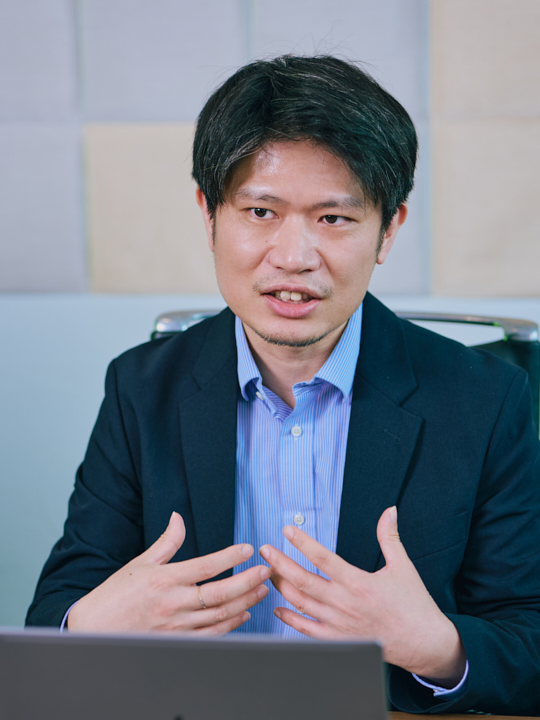
“Classmethod also gave us a lot of support in coordinating with the development vendors and internal stakeholders, through meeting facilitation,” Mr. Saito said. “They helped us keep discussions running smoothly across all three parties, organizing the key points for debate and prioritizing items that needed confirmation during meetings.”
The engagement also included running workshops and introducing tools to make work more efficient.
Okamura expected more from Classmethod’s hands-on support than simply moving projects forward; the company wanted its members to become able to work independently. Ms. Sato and Mr. Nakajima consulted with Classmethod to identify which team members needed targeted assistance and the best support delivery method.
“They checked in on the progress of each project and Mr. Nakajima’s workload, and advised us on how to move forward,” Ms. Sato said. “What stood out with Mr. Saito was their approach of drawing out his own thinking. As he learned the project-management framework and applied it in practice, he gradually became able to think through issues independently, and I feel he came to see the project as his own.”
Real Change Had to Start with the Team Itself
Through this support,the team restructured the database project, finalized its requirements, and began development within three months of the engagement’s launch.
“Honestly, I had felt like it was hopeless, so I was surprised we were able to turn things around this much,” Mr. Saito said. “When we later launched a new project, it got off to a smooth start, and I feel the know-how we gained from Classmethod paid off.”
Ms. Sato describes the change in Mr. Saito this way: the way he spoke in meetings changed, and his hesitation clearly disappeared. As Mr. Saito regained his confidence, it had a positive effect on the members around him too.
“I’ve seen Mr. Saito answering other members’ questions, and I feel like a synergy has taken hold,” Ms. Sato said. “From the start, I strongly believed that hands-on support means nothing if the members themselves don’t change, so I’m genuinely happy to see their growth.”
“One of the most significant outcomes has been the adoption of standard project management practices across the organization,” Mr. Nakajima said. “I really feel that Classmethod’s support has helped strengthen each team member’s ability to execute their work effectively.”
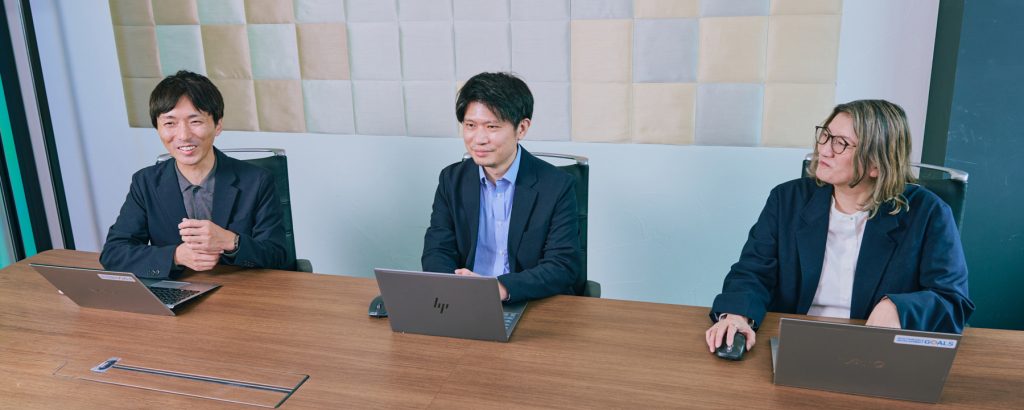
Neither Vertical nor Horizontal: A “Diagonal” Relationship
When it comes to Classmethod’s hands-on support, Mr. Nakajima says what stood out most was the personality of the people involved and the sense of distance they kept.
“They struck exactly the right balance: neither too close nor too distant, which made me feel like I could really rely on them as a partner,” Mr. Nakajima said. “It’s not just the people directly assigned to our support. I’ve felt the same sense of reassurance talking with other people at Classmethod too, so maybe it’s just part of their company culture.”
“Everyone who seeks their advice comes back looking noticeably relieved,” Ms. Sato said. “They approach us from what you might call a diagonal angle, neither a vertical relationship nor a horizontal one, which may be why it’s easy to talk to them honestly. When the engagement first began, Classmethod even set up a social event for us, which helped create an atmosphere where we could open up to each other.”
“In addition to our twice-weekly regular meetings, Classmethod’s team members dropped by almost every day almost every day,” Mr. Saito said. “They fit right into the team and we could interact with them on equal footing. If I had to put it into words, it felt like having an older cousin around.”
Building the Marketing Infrastructure and Moving to the Next Stage
Building the marketing infrastructure is a long-term undertaking, and Classmethod continues to provide hands-on support with a renewed contract extending into FY2026 and beyond.
“Building the database isn’t the goal. It’s only the starting line,” Mr. Nakajima said. “Going forward, we’ll be entering a stage focused on how to use that database at our customer communication touchpoints. Beyond the kind of project management support we’ve had so far, I expect we’ll also need technical support, such as around AWS, so we’d like Classmethod to keep supporting us.”
After about a year of hands-on support, Mr. Nakajima says he has come to feel that other companies likely face similar challenges.
“The situation where technology staff and marketing staff are siloed, with only a limited number of people able to bridge the two, is something that could happen at any company,” Mr. Nakajima said. “I expect demand will only keep growing for consulting firms such as Classmethod to work directly with client companies and build systems alongside their business divisions. When that happens, I’d love it if the knowledge they’ve built up could be shared back with us as examples from other companies.”
“I think a lot of people who move from an agency to working client-side, like I did, struggle with specialized IT topics,” Mr. Saito said. “AI is also advancing at a remarkable pace, and I’d want to tell anyone in that position that Classmethod is a partner where you can consult with people who have real expertise in those areas.”
“Classmethod’s support was not limited to our team members; they also worked alongside us as managers in addressing our own challenges,” Ms. Sato said. “It’s also very reassuring that they have so many different specialists in-house. Being able to consult on everything from technical topics to management is a strength I don’t see at other consulting firms.”
Classmethod will continue walking alongside the Digital Communication Group, supporting both its infrastructure building and the broader effort to raise capability across the organization.