

Strengthening Cloud Governance and Security with
Company-Wide Guidelines and AWS Organizations
Date Published: 20 JUNE 2025

- AWS account usage expanded to approximately 50 as individual departments adopted the platform independently
- A lack of unified management standards created potential security vulnerabilities
- Visibility into account management and cloud environments was insufficient for company-wide oversight

- Established comprehensive, company-wide AWS usage guidelines
- Centralized account management and governance through AWS Organizations
- Strengthened security posture and clearly defined boundaries of responsibility
Founded in 1935, Murata Machinery, Ltd. is a global manufacturer operating across five business domains: textile machinery, logistics and automation, clean FA, machine tools, and information equipment. Guided by the principle that machines should handle what machines do best so people can focus on creative work, the company delivers products to more than 80 countries.
Starting around 2017, individual departments at Murata Machinery began adopting AWS independently. As usage spread, the number of accounts grew to between 40 and 50 by 2022. In the absence of unified security standards, applying consistent controls became increasingly difficult which raised concerns about potential security risks.
To address these challenges, the company launched a project to develop AWS usage guidelines and build a multi-account management structure using AWS Organizations. Three departments joined the effort: the IT Solutions Department, the Information and Communication Control Development Department, and the IT Management Office of the L&A and Clean FA Business Division Common Section. With support from Classmethod, the team built a company-wide AWS governance foundation in approximately seven months.
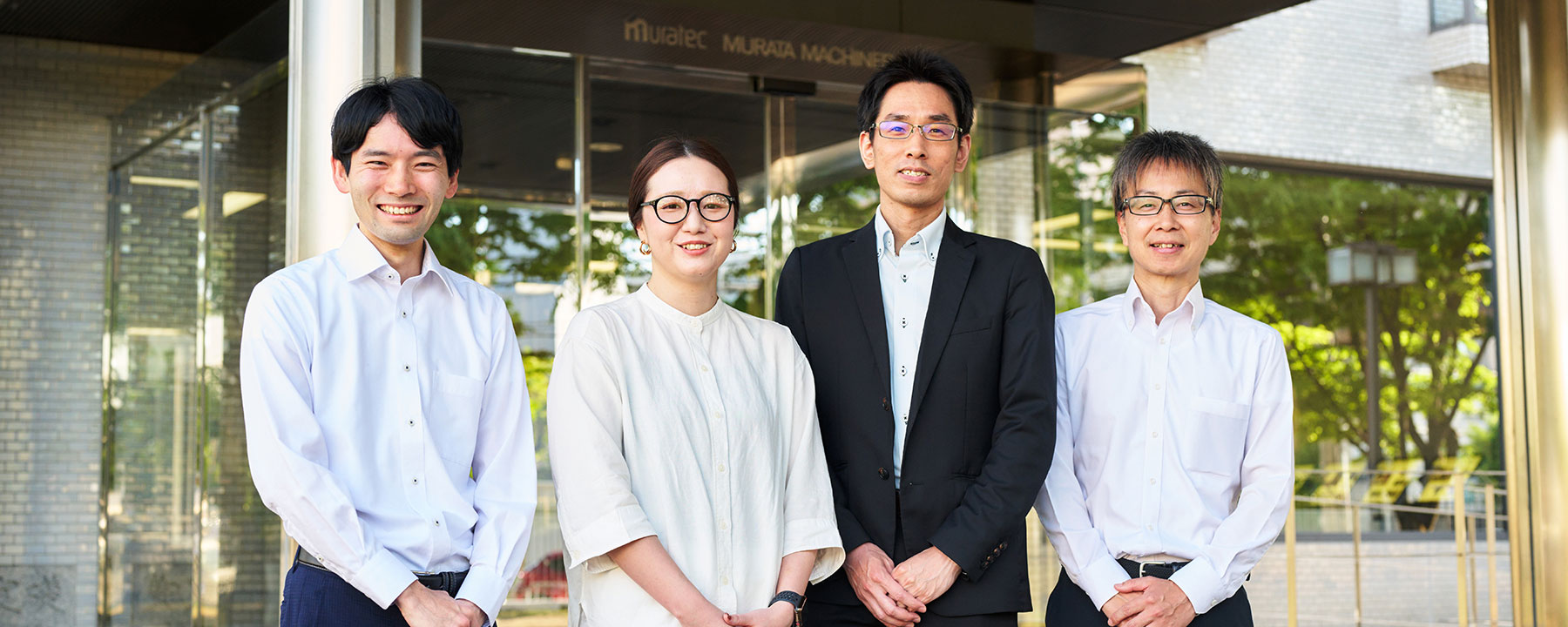
Mr. Yamane and Mr. Tsuda from the IT Solutions Department, Mr. Inoue from the Information and Communication Control Development Department, and Ms. Makimura from the IT Management Office shared the full story of this effort.
Rapid AWS Growth Exposes the Need for Company-Wide Governance
AWS adoption at Murata Machinery started around 2017, when the Information and Communication Control Development Department, a cross-functional group handling advanced information and communication technology and embedded systems, introduced the platform for internal web application development. By around 2020, the IT Management Office serving the L&A and Clean FA business divisions had also adopted AWS to migrate business division systems to the cloud. Department by department, usage spread across the organization.
“We needed a cloud environment for internal web application development, and AWS was our platform of choice,” Mr. Inoue recalled. “At the time, there was very little internal support infrastructure. Engineers on development projects handled environment setup and maintenance on an ad-hoc basis.
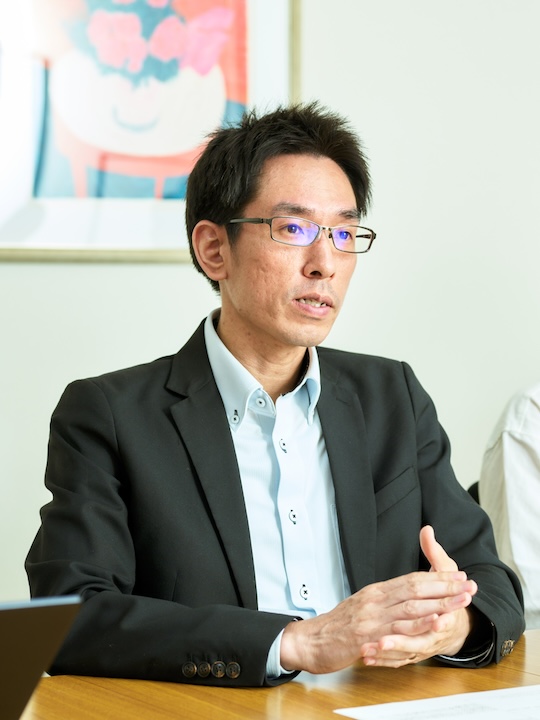
Because we were managing everything ourselves, I often felt a sense of uncertainty about whether we were following best practices.”
While these department-level efforts moved forward, Mr. Yamane in the IT Solutions Department, which oversees company-wide IT strategy and governance, noticed the rapid increase.
“AWS adoption was not driven by a centralized company strategy,” Mr. Yamane explained. “Each department made its own decision to adopt the technology. When we eventually audited the situation, we discovered that the total number of accounts had reached 40 or 50.”
As accounts multiplied, management structures could not keep pace. Potential risk factors became a concern, and individual departments lacked confidence in their own operational approaches. Teams were searching for the right way to manage their environments.
“Given the growing importance of security, the broader industry landscape, and the expansion of AWS usage across the company, we determined that it was no longer sufficient to leave management to individual departments,” Mr. Yamane said. “We needed to build a proper management structure.”
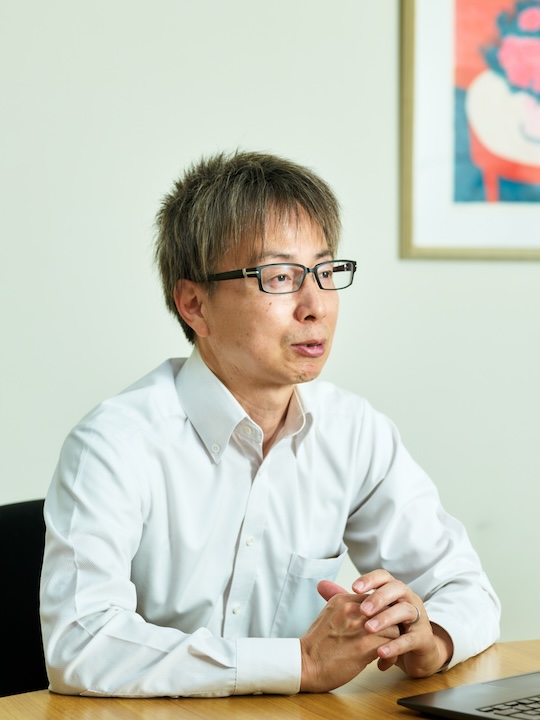
The IT Solutions Department took the lead, launching a project to develop AWS usage guidelines and build a multi-account management structure with AWS Organizations. The Information and Communication Control Development Department and the IT Management Office joined as participants, and the company-wide governance effort began.
Developing AWS Usage Guidelines and Introducing AWS Organizations
The project to bring company-wide governance to the AWS environment was not Murata Machinery’s first attempt at guidelines development.
“Around 2020, when the IT Management Office ran a pilot project to migrate a single system to the cloud, we created AWS usage guidelines with an external partner,” Ms. Makimura said. “But at that point, the guidelines were only used within our business division.”
Over time, the limitations of those guidelines became apparent. “AWS evolves so quickly that the guidelines struggled to keep pace,” Ms. Makimura recalled. “They gradually became outdated.”

That experience made clear that the new effort required a company-wide perspective and an operational structure with staying power. The team chose Classmethod as its partner.
“More than 60 percent of our existing AWS accounts were already enrolled in Classmethod Members,” Mr. Yamane noted. “We also frequently referenced their ‘DevelopersIO’ technical blog and held their technical expertise in high regard.” The project started in 2024 with a 10-month timeline divided into three phases. Phase 1 focused on developing AWS usage guidelines. Phase 2 covered the design and deployment of AWS Organizations. Phase 3 addressed operational review and improvement.
Building Accessible Guidelines and Running Thorough Rollout Sessions
In Phase 1, the team used the Classmethod Cloud Guidebook, a reference covering management methods and security measures for AWS usage, as the starting point. Working from this template shortened the development timeline compared to building from scratch and gave the guidelines a systematic structure.
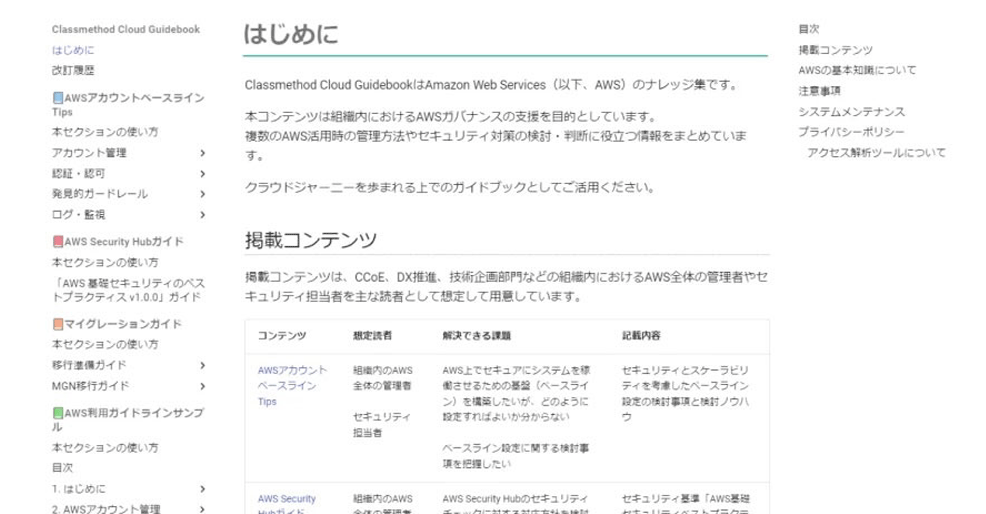
“We wanted to create guidelines that anyone in the company could understand, regardless of their technical level,” Mr. Tsuda said. “With Classmethod’s technical support, we were able to translate specialized content into clear language without losing accuracy.”
Classmethod supported the creation of guidelines covering the purpose and scope of AWS usage, account management, user management, security measures, and resource creation rules. The Classmethod team focused on balancing technical precision with readability, working closely with Murata Machinery to capture the company’s intent in the documentation.
For the internal rollout phase, Classmethod provided checklist and runbook templates to support effective briefing sessions. The Murata Machinery team used these tools to run a thorough awareness campaign.
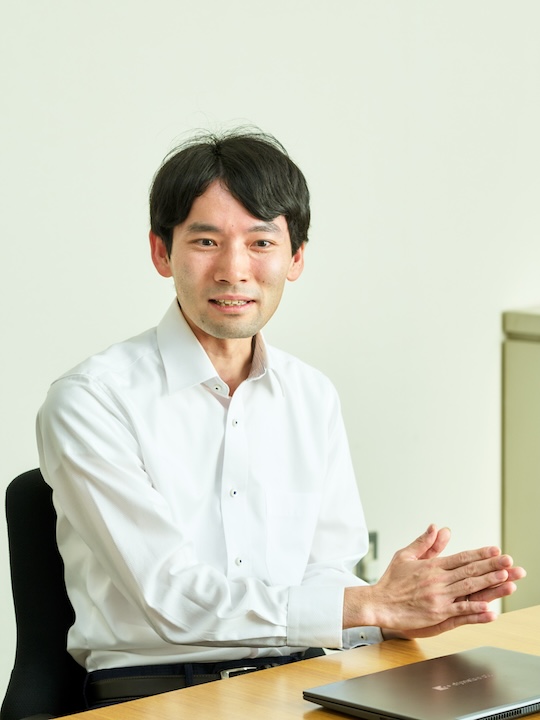
“In my view, the most critical part of the AWS guidelines project was the rollout following their creation,” Mr. Yamane said. “Since account administrators have varying levels of technical knowledge, clarity was essential. Rather than holding a single, large briefing, we conducted separate sessions for each department. This approach created a comfortable environment for questions and ensured a genuine understanding of the new standards.”
From creation through rollout, the comprehensive support produced company-wide guidelines that were both technically accurate and easy to understand. The careful rollout sessions built shared understanding across departments and laid the foundation for company-wide AWS governance.
Centralizing Multi-Account Management with AWS Organizationsstems
Phase 2 focused on building a multi-account management structure using AWS Organizations, a service that centrally manages multiple AWS accounts and applies unified security policies and access controls. Murata Machinery adopted it to govern the company’s entire AWS environment.
Migrating existing accounts proved to be the most labor-intensive part of the process.
“It’s easy to apply policies to new accounts,” Mr. Yamane said, “but the existing 40 to 50 accounts had inconsistent configurations. The coordination and impact analysis required for migration took more time than we expected.”
Working with Classmethod, the team ran thorough pre-migration checks on each account. The team also handled cases requiring exceptions, such as Amazon S3 access settings and region usage, balancing security requirements against business needs.
“When configuring AWS Organizations governance controls, we focused specifically on security-critical areas such as region restrictions and IAM settings,” Ms. Makimura explained. “However, we were careful to avoid over-restriction to ensure we didn’t compromise business agility.”
The team also incorporated AWS updates released during the project. A new feature released in December 2024 was put into use as early as January 2025.
Technical support processes improved as well. When Murata Machinery submitted inquiries, the Classmethod technical support team and assigned engineers coordinated closely behind the scenes, resolving policy configuration errors and other issues quickly. This internal coordination significantly accelerated resolution times.
“Implementing centralized management and governance at the organizational level is a major step forward,” Mr. Inoue said. “Previously, I managed my department’s environment in isolation, which always felt uncertain. Now that a structure for strengthening governance through organizational management is in place, it gives us much greater confidence.”
“We’ve built a foundation for the entire company to move in the same direction with AWS,” Ms. Makimura said. “Security, efficiency, scalability, and visibility have all improved at the organizational level. Responsibility boundaries are now clear internally, which I think will make operations much easier going forward.”
A Unified Management Foundation for Secure Cloud Adoption
With AWS Organizations in place and the company-wide governance foundation built, Murata Machinery is now in Phase 3, focusing on operational review and continuous improvement.
“We accomplished our original goals: developing company-wide guidelines and building a multi-account management structure with AWS Organizations,” Mr. Yamane said. “Previously, management levels varied by department and we carried potential risks. Now, a consistent security level is maintained across the company.”
The IT Solutions Department plans to continue improving the AWS environment. Building AWS technical skills across the organization is a particular priority.
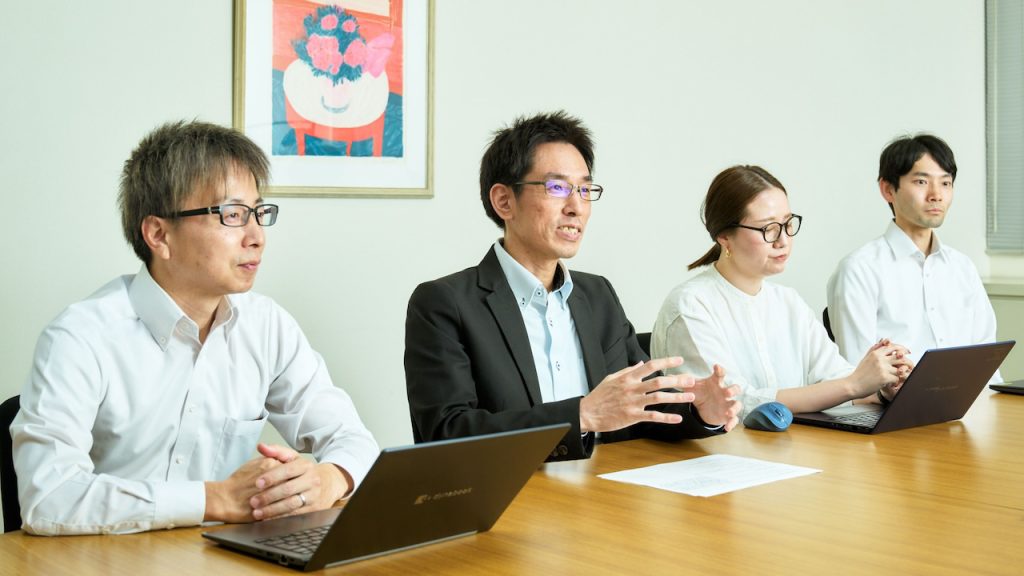
“Even within the IT department, AWS skill levels vary, and the number of people who can really use it well is limited,” Mr. Yamane said. “Going forward, we want to pursue initiatives to raise skill levels across a broader group of employees, drawing on Classmethod’s technical support as we do.”
Looking back on the project, the team members assessed the collaboration with Classmethod.
“Classmethod’s technical support is accurate, fast, and reliable,” Mr. Yamane said. “Using Backlog for issue management and communication was extremely efficient. Compared to email-based exchanges, tracking progress and managing tasks became far smoother.”
“During our meetings, Classmethod listened closely to our requirements and concerns, creating an environment where we felt comfortable raising our concerns,” Mr. Inoue said. “They provided comprehensive advice spanning both technical implementation and ongoing operations, drawing on their extensive experience. This holistic support kept the project moving smoothly.”
“Because each account uses different services, there were many points where manageability was a challenge,” Ms. Makimura said. “But Classmethod’s specialized knowledge and extensive track record allowed us to arrive at an optimal configuration that accounted for security and governance, and to do it quickly. They also prepared documentation and designs with future operations in mind, so we could start operating with confidence.”
The technical credibility and responsive communication built through this collaboration were central to the project’s success. Furthermore, AWS is evolving day by day, and incorporating the latest information during implementation is essential for successful cloud utilization.
Classmethod will continue to support Murata Machinery’s cloud adoption through ongoing technical guidance and timely updates on the latest AWS capabilities.