

Co-Hosting an Internship That Resonates with STEM Students: Producing Hands-On Content That Conveys the Appeal of a "Technical Trading Company"
Date Published:26 FEBRUARY 2026

- Struggled to reach STEM students due to the strong perception that trading companies are mainly for non-STEM students
- Lacked specialized internship content that appealed to students interested in technical roles
- Faced communication barriers between employees and students

- Conveyed the definition and appeal of a “technical trading company” through hands-on events using generative AI
- Used workshops to make students’ initiative and thought processes visible in ways traditional interviews cannot
- Deepened students’ understanding of the company culture and improved the offer acceptance rate
- Gave participating employees a chance to rediscover their own technical strengths and professional appeal
RYODEN Corporation is the largest electronics trading company in the Mitsubishi Electric Group, with businesses spanning semiconductors, factory automation (FA), and HVAC and building systems. Despite the sophisticated nature of its business, RYODEN faced challenges with visibility among students in the new-graduate recruitment market. As competition for STEM talent intensified, one question stood out: how do we convey the appeal of a “technical trading company”? RYODEN turned to its longtime partner, Classmethod, for help with the challenge.
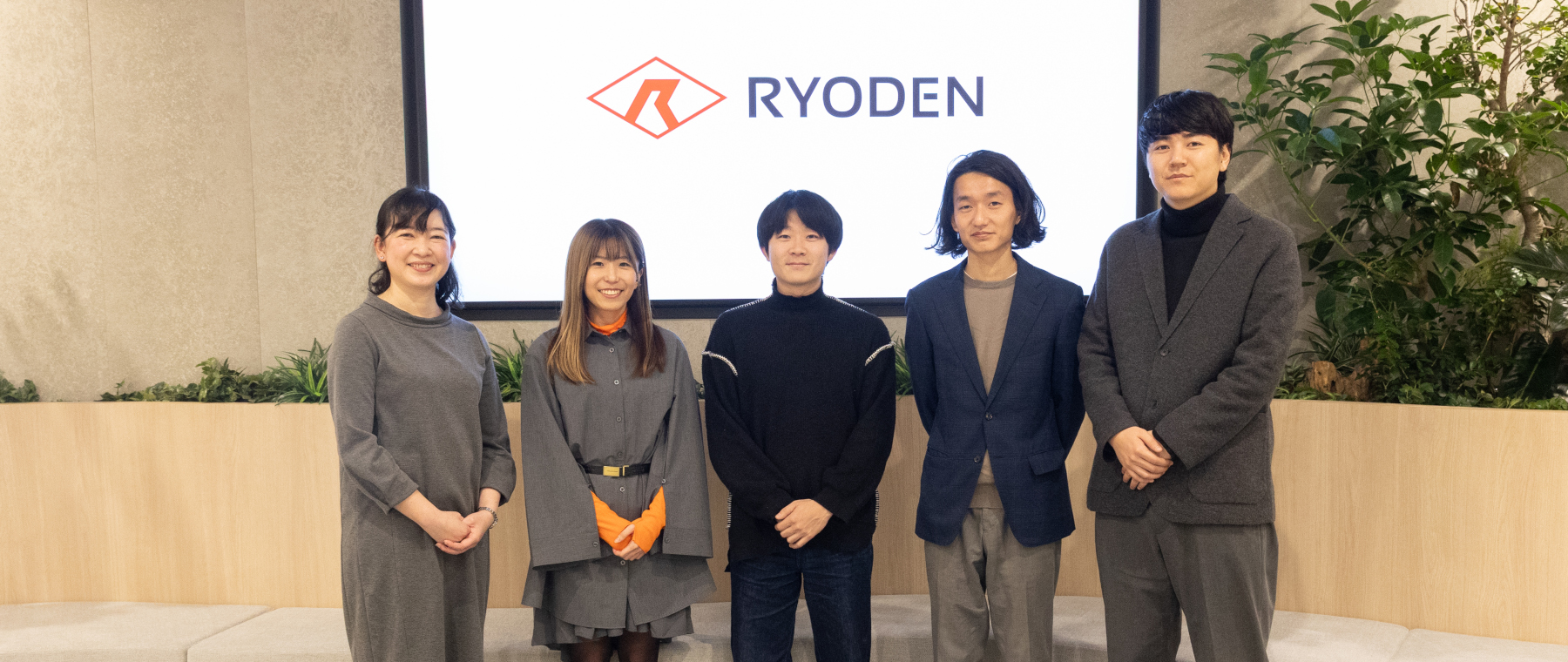
Mr. Oikawa of the Human Resources Department, together with Mr. Kumagai and Mr. Igarashi of the Strategic Technology Center, described the internship that Classmethod and RYODEN created together, along with its background and outcomes.
A Recruiting Dilemma Shared by HR and the Engineering Division
RYODEN’s biggest challenge was its limited reach among STEM students. For students interested in technical roles who are drawn to research careers, the first choices tended to be manufacturers and IT companies. Trading companies often do not make it onto their list of options at all. The Human Resources Department, responsible for new-graduate hiring, struggled with the difficulty of reaching these students.
“We are a technical trading company, and we want STEM talent who hope to use their technical skills to create new value,” Mr. Oikawa said. “But students hold a strong perception that trading companies are for non-STEM students, so even getting recognized as a potential career option was a major hurdle. We had internships for sales roles, but no specialized content that would resonate with technology-oriented students.”
The Strategic Technology Center, the company’s engineering division, faced its own hiring challenges. Technical employees had long spoken at events such as company information sessions, but a communication barrier stood in the way.
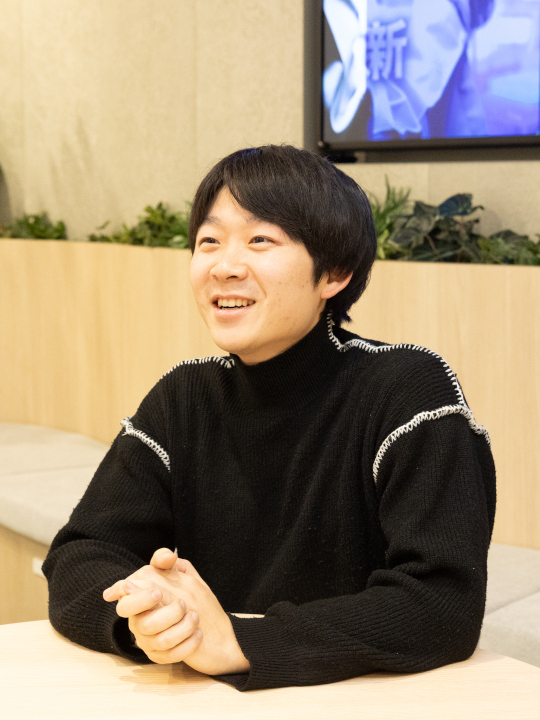
“As engineers, we tended to speak with students in the same tone we use with customers, and that sometimes left them worried about life at the company, or with the impression that we were a cold or unapproachable company,” Mr. Kumagai said. “We could not fully convey the appeal of our technology, and there was a sense of frustration when students we had spent time with chose not to join the company.”
HR wanted to convey the technology, while the engineering division struggled to convey its appeal. With both sides facing the same problem, Classmethod was the partner they turned to for a solution.
RYODEN and Classmethod already had a history together, working on AWS environment setup, software development, and training for internal engineers, and they had built trust as technical partners. Planning a hiring event, though, fell outside Classmethod’s usual service offerings and was an unusual request. Nevertheless, RYODEN chose Classmethod, trusting its strong communication capabilities and training expertise.
“Through their owned media such as DevelopersIO, Classmethod consistently explains the latest technology in easy-to-understand terms,” Mr. Kumagai said. “We had strong trust in their ability to convey technology, and we believed Classmethod was the only partner who could present our technical side to students in a way that was both engaging and accurate.”
Two Summer Internships, Each Designed for a Different Purpose
The project started with a one-day winter internship that RYODEN hosted in January 2025.
The first program planned was a hands-on experience building a generative AI chatbot using AWS instructional materials. Beyond giving students hands-on exposure to the trending field of generative AI, it added a roundtable format with RYODEN’s junior employees and members of the engineering division.
This first event was well received by students. What worked especially well was that it conveyed the personality of RYODEN’s employees. Mr. Kumagai, who had not planned to attend, dropped in because it “looked interesting,” joined the students’ discussion, and spoke with them openly and casually. That was enough to dispel the image of a stiff, formal company. Several students who participated in this session later accepted offers and decided to join the company.
The organizers, though, saw room for further improvement.
“Building the chatbot meant following prepared instructions, so it leaned heavily toward a fill-in-the-blank format,” Mr. Kumagai said. “Students could experience the technology, but there was little room for their own creativity, and it tended to become a one-way lecture. Rather than building exactly as instructed, we felt we needed two-way communication, where participants solve problems by working together.”
Drawing on those lessons, in August and September of the same year RYODEN ran two kinds of internships with different goals and audiences: a five-day internship in collaboration with Shinshu University, and a one-day internship centered on building an app with generative AI.
For both events, Classmethod designed the overall framework and chose the technology, while RYODEN supplied the practical, real-world content and challenges based on their real daily work. It was a team effort where both companies built the event together.
Five-Day Internship: Assessing Communication Skills Through Discussion
Of the five-day program run with Shinshu University, Classmethod was responsible for planning and facilitating one day of the program. The Human Resources Department’s request for that day was less about technical skill and more about evaluating students’ communication abilities. Participants included non-STEM students as well as STEM students. Because their IT literacy varied, Classmethod chose a structure built around discussion that everyone could join, rather than teaching a specific technology in depth.
The theme was solving smart-factory challenges. In the first half, Classmethod gave a lecture on cloud technology and the basics of smart factories, while RYODEN employees provided the core input: real factory challenges and product knowledge.
In the group work that followed, students used generative AI to research a factory’s current challenges and discussed solutions using RYODEN products, with RYODEN employees joining in. The Classmethod instructor deliberately stepped back from direct lecturing to focus on facilitation that encouraged students to debate among themselves. As a result, students began assigning roles on their own, such as a timekeeper and a moderator, and started to build their discussion.
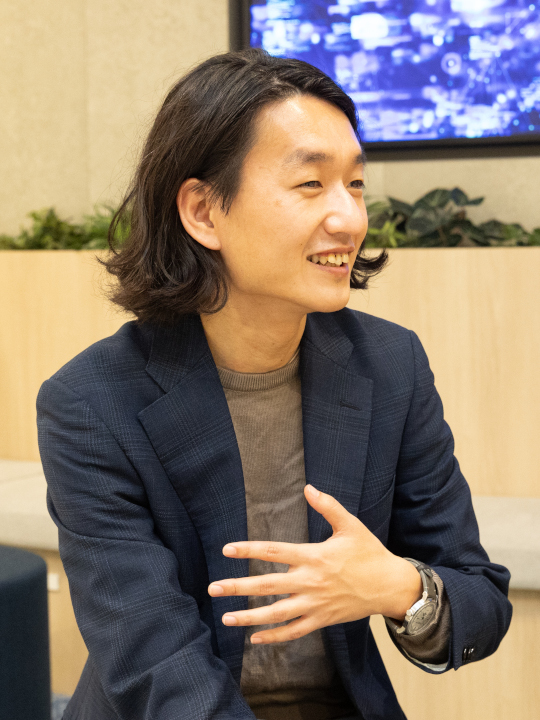
Within the discussion space Classmethod set up, RYODEN employees shared their on-site expertise. That arrangement made for a practical program where HR staff could observe the initiative and teamwork interviews rarely reveal.
One-Day Internship: Experiencing the Fun of Technology with the Generative AI Tool “v0”
For the one-day summer internship focused on hands-on building, Classmethod significantly redesigned the content based on lessons from the earlier session. Its proposal was an application-development workshop using the generative AI development support tool Vercel v0 (hereafter v0).
Programming skill varies widely even among STEM students, and this time humanities students were expected to take part as well. Classmethod chose v0 because it lets users build an app intuitively through natural-language instructions, with no coding required, and produces a polished, functional result that gives an easy sense of accomplishment.
The workshop emphasized spending time not just on building an application but on the planning and design process of deciding what app to build.
Rather than using AI right away, students started with pen and paper, identifying everyday problems around them. They listed personal challenges such as “I cannot manage my to-do list” or “I cannot get up in the morning,” designed app features to solve them, and used those designs to write prompts for v0. They then ran the generated app, improved it, and finally presented the app to everyone. The process served as a condensed version of system development: requirements definition, design, implementation, testing, and release.
“Because students were trying to solve problems from their own daily lives, they were deeply invested in their projects,” Mr. Igarashi said. “Instead of just building what they were told, they became motivated to refine it further, and when the employees responded with ‘In that case, you can use this technology,’ interactive dialogue flowed naturally.”
Classmethod created the setting with the right technology choice and facilitation, and RYODEN employees elevated students’ ideas with concrete advice grounded in real work. That combination produced an event that effectively conveyed RYODEN’s vision of what it means to be a “technical trading company.”
How Two-Way Communication Leads to Hiring with Stronger Mutual Fit
The August and September internships yielded significant outcomes, both quantitative and qualitative. Although the number of participants was limited, several participants from the 5-day and 1-day sessions have already received offers, and some have accepted and decided to join the company. Set against the company’s earlier struggle to build a candidate pool, that is a substantial outcome.
“By watching students tackle the challenges, we could see their natural communication ability and thought processes, which interviews alone do not reveal,” Mr. Oikawa said. “Students, for their part, experience hands-on creation alongside our employees and move into the selection process with a deep understanding of our culture and our work. The result is fewer mismatches and hiring that both sides feel confident about.”
The effort also had a positive effect on the younger RYODEN employees who participated.
“Watching students build apps with their eyes lit up was inspiring for me too,” Mr. Igarashi said. “There were also moments when an experienced engineer like Mr. Kumagai surprised them by instantly showing a more advanced implementation of a student’s app, saying ‘A pro would do it this way’ (laughs). We could show students a role model, proof of ‘this is what you can do once you start working,’ and at the same time it gave us a chance to rediscover our own technical strengths and how interesting our work is.”
Conveying the correct definition of a technical trading company through these internships was another major gain.
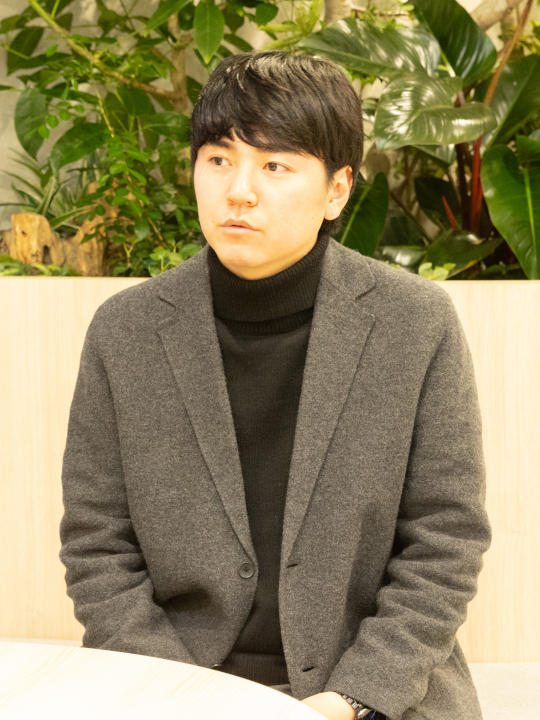
“RYODEN defines a “technical trading company” as a company that uses technology to create new value and experiences,” Mr. Kumagai said. “The v0 workshop was exactly that: an experience of solving challenges with technology and creating value. Students did not come simply to program; they enjoyed the process of using technology to generate value. That experience was precisely what we wanted to convey.”
RYODEN rates Classmethod’s support highly, not as a simple outsourced event operator but as a partner that faced the hiring challenge alongside them.
“It was our first time trying something like this, so we were a bit anxious. However, Classmethod understood what we wanted and brought it to life by combining it with the latest technology trend, generative AI,” Mr. Oikawa said. “We are grateful for how flexible they were despite the unusual requests.”
Looking ahead, RYODEN is considering moving the events earlier and expanding their scale. It is also looking at further refining the content, including hybrid online and offline events and a more game-like hackathon format.
“In hiring, showcasing ourselves through the power of technology will only grow more important,” Mr. Oikawa said. “From next year onwards, we want to keep creating new initiatives with Classmethod that excite students.”
A company’s business challenges are not limited to system development or cloud migration. For hiring, a challenge that shapes a company’s future, Classmethod offered a solution grounded in technical skills and creativity.
The team effort between the technical trading company RYODEN and Classmethod continues to show future engineers the joy of technology and the excitement of starting their careers.