


Achieving Company-Wide AWS Cloud Governance Through Collaborative CCoE Support: Accelerating a Global Manufacturer's Cloud Strategy
Date Published:09 JUNE 2026

- Lacked company-wide governance despite more than a decade of cloud environment expansion
- Stalled at the execution stage despite having a CCoE activity plan
- Split management across separate departments for AWS, Google Cloud, and Azure

- Established everything from policy formulation to consultation desk operations within one year
- Developed a cloud usage policy in coordination with relevant departments
- Began planning multi-cloud governance, starting from AWS governance
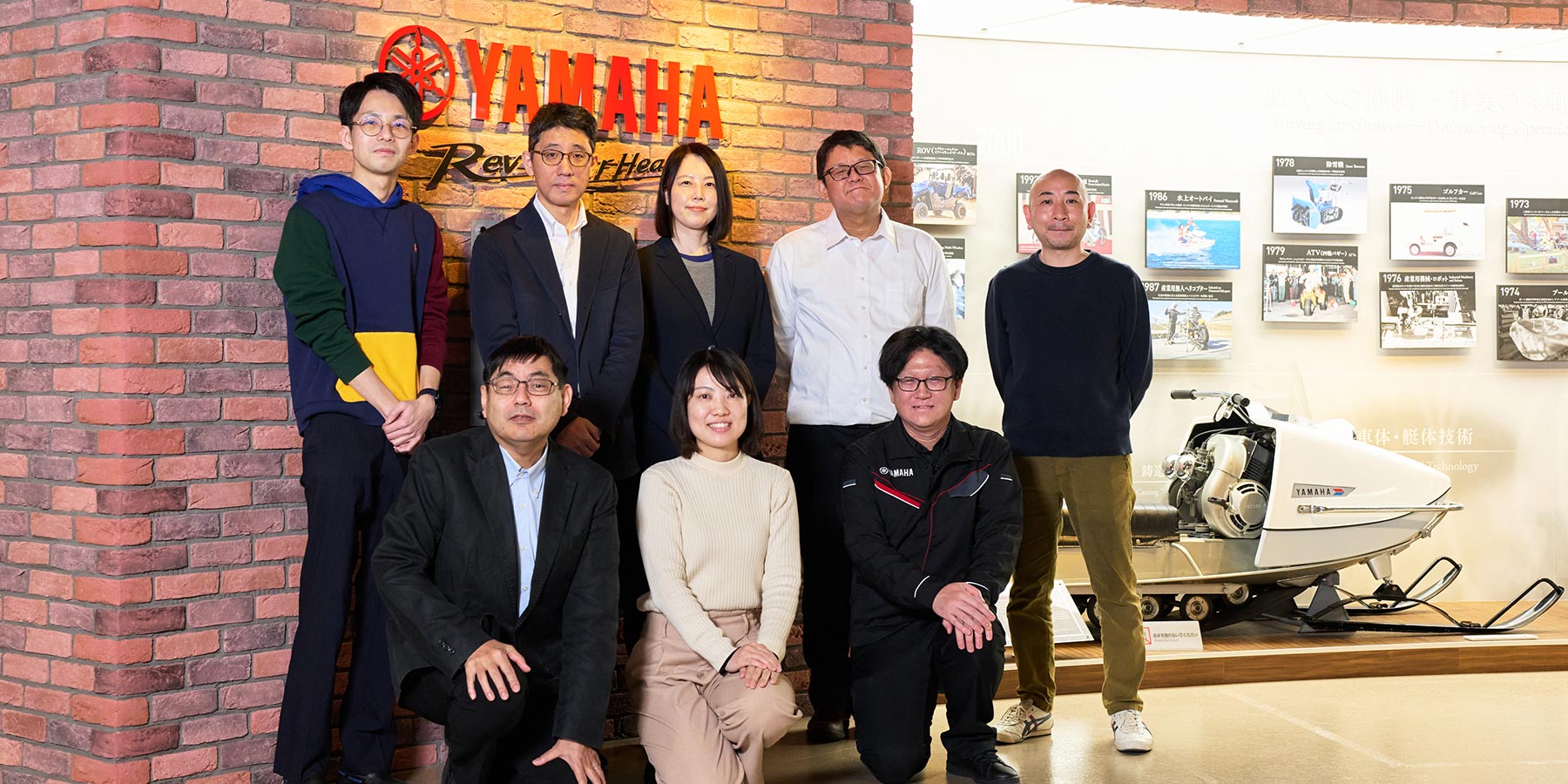
Yamaha Motor Co., Ltd. operates in more than 30 countries worldwide. The company adopted AWS over a decade ago and has consistently expanded its cloud usage, making it a pioneering cloud adopter. However, as utilization grew, challenges regarding company-wide governance became increasingly apparent. In March 2025, the company established a Cloud Center of Excellence (CCoE) to handle cloud governance across the organization, with Classmethod beginning to provide collaborative CCoE support. We spoke with Mr. Yokota, General Manager of the EA Infrastructure Promotion Department, and Ms. Ikemoto, the CCoE leader, to learn more.
A Cloud Pioneer Without Company-Wide Governance
Yamaha Motor has a long history of cloud utilization, dating back to 2014 when it deployed a virtual desktop environment across the company using Amazon WorkSpaces. Since then, the company has built development environments and websites on AWS, expanding its cloud footprint year after year.
At the same time, the company’s IT foundation grew increasingly complex. Physical servers originally located on-site at the headquarters were migrated to external data centers in Yokohama and Hamamatsu, where they were consolidated onto a virtual platform. Combined with AWS, this created a hybrid environment where on-premises systems, virtual infrastructure, and cloud environments coexisted. As these environments multiplied, operational costs escalated, and the management burden steadily grew.
Furthermore, when plans to exit the Yokohama data center began to materialize, it created an urgent need to migrate a vast number of legacy systems to AWS. At the time, however, there was no company-wide policy dictating how the target AWS environment should be utilized, who would make these architectural decisions, or who ultimately held accountability.
While a CCoE plan had been drafted with the help of an external consulting firm, progress stalled at the execution stage. Launching a CCoE was an entirely new endeavor for the company, and with neither the technical expertise nor the staffing fully established, the leader at the time was left to push the initiative forward almost entirely alone.
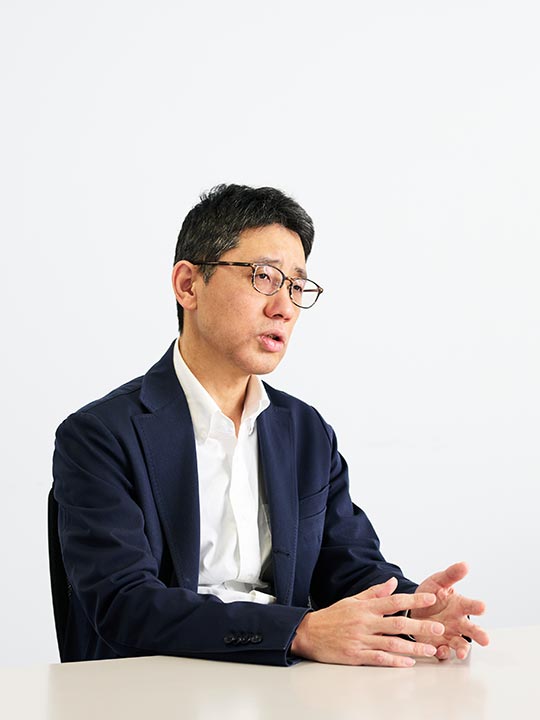
“It was absolutely essential to build a structure where we could drive this forward as a unified group, including members of our IT subsidiary, Yamaha Motor Solutions,” Mr. Yokota recalled. To turn their plans into reality, the company needed a partner who not only possessed technical expertise but could work as part of the team and move forward together.
Choosing a Partner to Drive Execution Together
The relationship between Classmethod and Yamaha Motor predates the CCoE project. Classmethod had already built a strong track record supporting Yamaha Motor’s data infrastructure initiatives, laying a firm foundation of mutual trust. When selecting a partner for the CCoE initiative, the company evaluated proposals from several firms, and Mr. Yokota chose to leave the final decision entirely to the onsite team.
“I asked them to choose based on one clear criterion: which partner our internal CCoE members could work with and succeed alongside. ” Mr. Yokota said.
Classmethod’s proposal drew on their extensive cloud operations expertise, but rather than offering a one-size-fits-all methodology, they proposed a collaborative approach tailored specifically to Yamaha Motor’s unique culture and circumstances. They also proposed a hands-on support model that included weekly on-site visits to the Iwata headquarters.
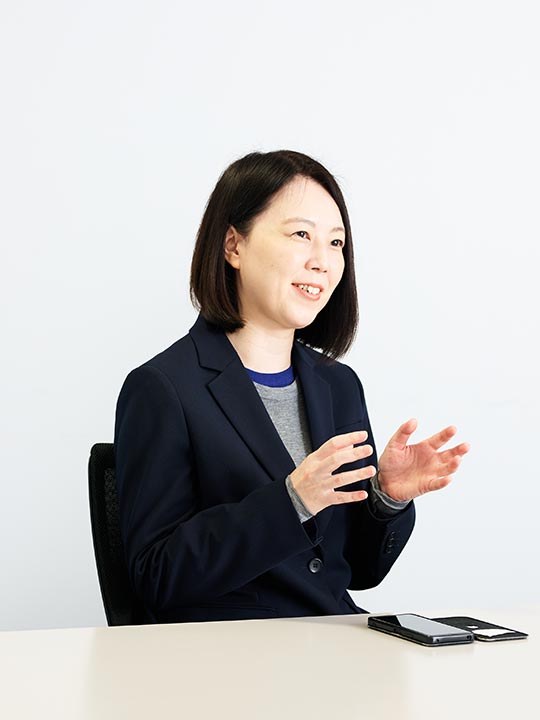
In CCoE operations, simply receiving the “right” technical answer from an external party is not enough to ensure long-term organizational adoption. The internal team needed to develop the capability to think for themselves, make informed decisions, and set their own policies. Ms. Ikemoto, who later took over the management of the established framework, notes that it was exactly this aspect of Classmethod’s approach that offered the highest value.
“Plenty of companies can provide technical answers,” Ms. Ikemoto said. “But Classmethod doesn’t just provide the answer. They worked alongside us from the very beginning, helping us figure out how to think through and systematically organize our challenges. That has made the biggest difference.”
Starting With What to Decide, Not What to Build
Classmethod’s support commenced in March 2025. The initial focus was neither engineering the technical environment nor drafting detailed rules. Instead, the team tackled foundational organizational questions such as: “To what extent can the cloud be used freely?” and “Who makes the final decisions, and who holds accountability?” Because nothing could move forward without resolving these important questions, sorting through them became the priority.
The Classmethod CCoE support team visited the Iwata headquarters every week to drive face-to-face discussions. Navigating the vast array of stakeholders typical of a large company while ensuring seamless alignment with the IT subsidiary, Yamaha Motor Solutions demanded nuanced communication that could not be replicated online. Brief catch-ups between tasks and casual conversations outside the meeting rooms proved invaluable. By physically sharing the same space, a deep sense of mutual trust steadily took root within the team.
Building on that foundation, the team used the issue-tracking tool Jira to visualize challenges and prioritize them systematically. However, Jira operations did not run smoothly from the beginning. The team ran into classic hurdles, such as inconsistent ticket formats among users and ambiguous status definitions. To resolve this, they clearly delineated tool roles: Jira was designated as the repository for “issues and their decision histories”, while Confluence, a knowledge-sharing platform, was used to document “ways of thinking and conclusions.” By introducing structured templates, they optimized the workflow so that team members could use the tools without confusion.
Rather than striving for flawless rules from the outset, the team deliberately separated urgent decisions from those that could be deferred. This approach helped balance speed with consensus building.
A primary milestone achieved through this process was the formulation and rollout of the Cloud Environment Policy. The policy was intentionally designed not as a rigid list of prohibitions, but as a framework providing the baseline criteria for decision-making. During its company-wide deployment, the team actively gathered feedback from each department and successfully addressed 98% of the input received via phrasing revisions or explanatory annotations. The remaining 2% were requirements unique to specific systems, which were addressed through individual consultations.
Most of the feedback received pertained to practical operations, highlighting areas where terminology could be interpreted inconsistently, or where security requirements were either too abstract, or overly restrictive. Ultimately, this high level of internal scrutiny proved just how thoroughly the onsite teams had reviewed the policy document.
“These were not rules meant to constrain onsite teams, but rather a tool they could use to make independent decisions. Establishing that shared philosophy was a big step,” Ms. Ikemoto said.
Concurrently, the team launched initiatives to broaden CCoE visibility, including setting up a technical help desk and hosting internal workshops among other activities. The most prominent of these efforts was their exhibit at the company’s internal technology expo.
The goal was not to merely showcase the technology itself. Instead, via an interactive AI chat demonstration, the team introduced a proactive approach to information access: asking AI first before searching manually. This allowed internal cloud users to experience firsthand how to retrieve answers aligned with internal rules and policies, and see how designs could be checked against policies based on system architecture diagrams.
The initiative served as a landmark opportunity to demonstrate across the company that the CCoE was not a standard help desk, but a strategic organization dedicated to translating complex compliance into actionable guidelines that empower day-to-day business decisions.
From AWS to Multi-Cloud: Expanding the Scope of Governance
One year into the partnership, the CCoE’s initiatives had steadily materialized through the company-wide rollout of the policy framework, the operation of the technical help desk, and their showcase at the internal technology expo. Mr. Yokota evaluates this change positively:
“Previously, I frequently had to review policy directions personally and step in to realign the course of the team. Since Classmethod’s support began, the onsite teams have become capable of making independent decisions and moving projects forward, which has significantly minimized the need for my direct intervention.”
He also highly praised the team’s agility in responding and delivering results when executive leadership issued sudden requests for cost optimization. As cloud utilization scales, operational expenses naturally rise alongside it. The team’s ability to quickly re-evaluate system specifications and execute resource optimization within a short timeframe was a direct result of the mature CCoE operational structure and their seamless collaboration with Classmethod.
As the CCoE’s role became clearer within the company, the scope of its activities began to expand beyond the boundaries of AWS. In addition to AWS, Yamaha Motor leverages Google Cloud for data analytics and Microsoft Azure for AI initiatives. However, because each cloud platform was managed by a different department, it remained unclear to internal users where they should go for guidance.
“People knew they could consult the CCoE for AWS. However, Google Cloud was managed by a different department, and Azure by yet another,” Ms. Ikemoto explains. “It was difficult for users to determine who to approach, what to ask, and what level of support to expect.”
In 2026, the CCoE moved to bridge this gap. The goal was not to rigidly standardize all cloud platforms into an identical operational model, but rather to clearly delineate workloads based on each platform’s distinct strengths and cost efficiencies, allowing users to navigate ecosystem options seamlessly. In this phase, Classmethod continued to provide cross-functional, multi-cloud support by assigning Google Cloud engineers alongside its AWS specialists to drive delivery as collaborative partners.
Going beyond just technical support, the team also applied the same approaches to policy development and responsibility assignment through AWS CCoE operations to shape the governance framework for Google Cloud. While underlying architectures vary, the basic design principles for account management, security, and cost management remain common across clouds. Rather than reinventing the wheel, the team applied an established framework to the new environment, ensuring both speed and quality at launch.
Redesigning the IT Foundation Together
To facilitate the exit from the Yokohama data center, plans are underway to complete approximately 70% of the system migrations in 2026, with the remaining 30% slated for completion in 2027. However, this initiative is far more than a simple data center closure; it is a holistic effort to re-engineer the Yamaha Motor Group’s entire IT foundation around cloud usage. The CCoE’s role is to underpin this transformation with corporate policies and standardized operational processes, ensuring that this redesign succeeds via systemic alignment rather than relying on the efforts of individual project teams alone.
“The biggest milestone is that structural mechanisms for decision-making have begun to take root within the organization,” Ms. Ikemoto noted, reflecting on the past year of CCoE support. Prior to Classmethod’s involvement, progress had stalled due to a backlog of unresolved issues. By acting as a sounding board and repeatedly helping the team repeatedly organize priorities, Classmethod helped transform the team into a structure where the onsite team was capable of making independent decisions and moving forward on their own.
“I feel that Classmethod is not a typical outsourcing vendor, but a true partner who ran alongside us during the critical launch phase of our CCoE,” Ms. Ikemoto said. “Had we attempted this entirely on our own, our discussions likely would have become bogged down in technical minutiae, halting our forward momentum.”
As the data center migration ramps up, Classmethod is focusing on helping the organization move away from key-person dependencies and establish a continuous knowledge-sharing cycle that circulates within the organization. An eventual reduction in incoming consultations to the CCoE would not signal a downsizing of its activities; rather, it will serve as concrete proof that teams onsite have achieved operational self-sufficiency. Classmethod remains dedicated to supporting the standardization and framework architecture necessary to make this autonomous state a reality.
Looking further ahead, Mr. Yokota articulated his ultimate vision for the organization:
“The value that Classmethod has delivered to our organization is immense. However, as a next step, we need to raise our own capabilities so that we can contribute to the entire company with even more sophisticated services.”
In the cloud era, infrastructure has become software-defined, bringing infrastructure, applications, and security much closer together. Mr. Yokota’s next goal is to leverage the latest cloud technologies, aligning the headquarters IT department and IT subsidiary group as one unified team to rapidly provide secure and reliable environments.
Classmethod continues to support Yamaha Motor’s cloud initiatives, spanning from the CCoE launch and operations to multi-cloud governance architecture and the development of a company-wide AWS foundation. Together, the two companies will continue to drive the digital transformation of a global manufacturer.